Weight Management: Why Your Veterinarian Is Concerned About Extra Pounds
Many pet owners see a few extra pounds as harmless, but even modest weight gain can affect your pet’s health, comfort, and quality of life. Dogs and cats carrying excess weight may have a higher risk of developing joint problems, diabetes, heart disease, breathing difficulties, and other health concerns. Your veterinarian may recommend weight management to help your pet live a longer, healthier, and more active life.
How Extra Weight Affects Your Pet
Extra pounds place additional stress on your pet’s joints, bones, and muscles. Over time, this can make it more difficult for your dog or cat to walk, run, climb stairs, or participate in favorite activities. Overweight pets may also become tired more easily and have trouble staying comfortable in warm weather.
Obesity can also contribute to chronic health problems. Conditions such as arthritis, diabetes, high blood pressure, and respiratory issues may become more likely when a pet is overweight. Maintaining a healthy body condition can help reduce these risks and support your pet’s overall well-being.
Why Your Veterinarian May Recommend Weight Management
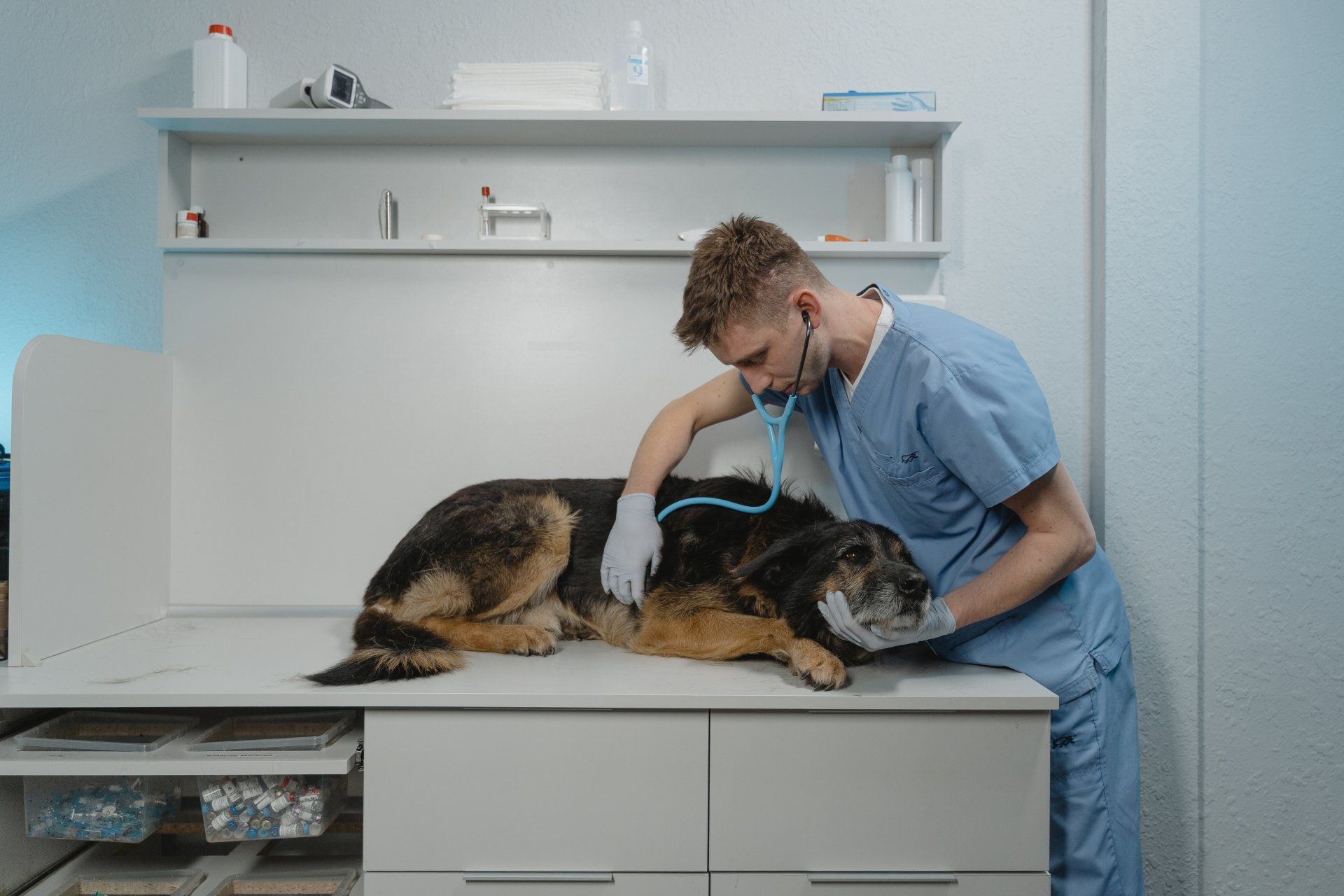
Veterinarians evaluate more than the number on the scale when determining whether a pet is overweight. They may assess your pet’s body condition, muscle mass, age, breed, activity level, medical history, and daily diet. A healthy weight can look different for every animal, so your veterinarian can help establish realistic goals based on your pet’s individual needs.
A weight management plan may include:
- Adjusting portion sizes or feeding schedules
- Choosing a more appropriate food
- Limiting treats and table scraps
- Increasing safe, gradual exercise
- Monitoring your pet’s weight and body condition
- Addressing medical conditions that may contribute to weight gain
It is important to avoid putting your pet on a restrictive diet without veterinary guidance. Sudden changes or inadequate nutrition can create additional health problems, particularly for cats. Your veterinarian can recommend a balanced plan that supports gradual, sustainable weight loss.
Small Changes Can Make a Big Difference
Successful weight management does not always require major lifestyle changes. Measuring meals carefully, reducing high-calorie treats, and adding a few extra minutes of activity each day can help your pet move toward a healthier weight. Puzzle feeders and interactive toys may also provide mental stimulation while encouraging movement.
Regular veterinary checkups are an important part of the process. Your veterinarian can monitor your pet’s progress, adjust the plan as needed, and identify signs of health concerns that may be related to excess weight.
Support Your Pet’s Health with Transit Animal Hospital
If your pet has gained weight or you are unsure whether they are at a healthy size, Transit Animal Hospital can help. Our veterinary team can evaluate your pet’s overall health and create a personalized weight management plan based on their nutritional and lifestyle needs. Contact our animal hospital today to schedule an appointment and take an important step toward helping your pet enjoy a healthier, more active life. We proudly serve West Seneca, Lancaster, Williamsville, Clarence, Cheektowaga, Depew, Orchard Park, NY, and the surrounding areas.